

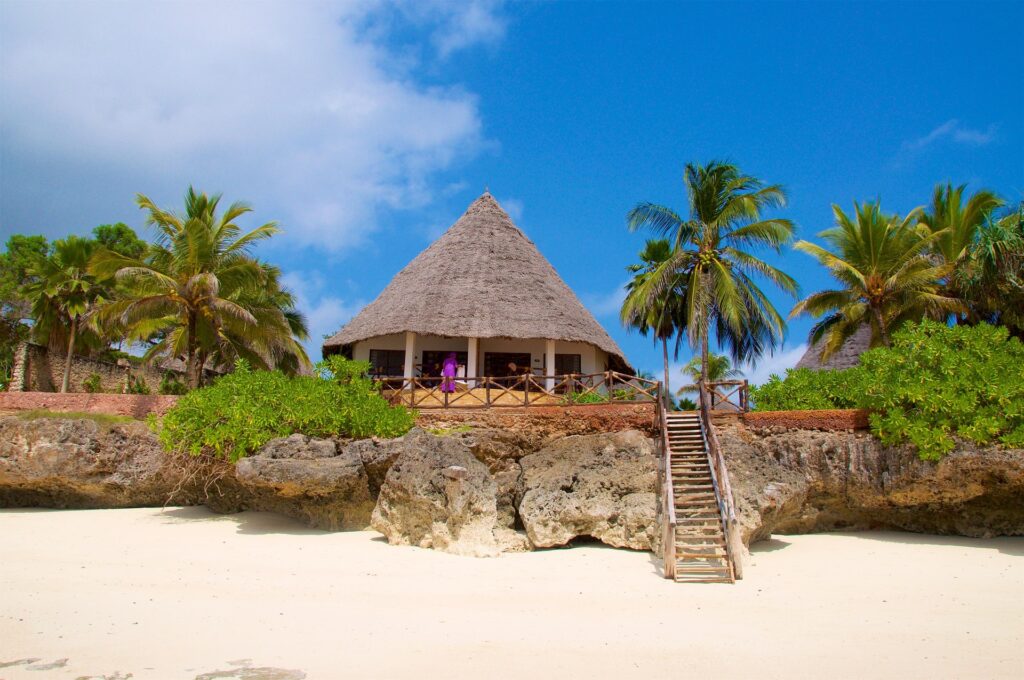
The African Riviera: Why Zanzibar Is The New Maldives
Shannom Dogo
March 12, 2026
in
For decades, when people dreamed of turquoise waters and overwater villas, one name dominated the imagination: the Maldives. But a quiet revolution has been taking place along Africa’s east coast. Zanzibar, once whispered about only among insiders, is now stepping into the spotlight as the new global paradise.
Welcome to the African Riviera: where history, culture, and barefoot luxury meet.
The Rise of Zanzibar as a Luxury Hub
Tourism isn’t new to Zanzibar. What’s new is who is coming, and how they’re experiencing it.
In 2023, Zanzibar recorded nearly 600,000 international visitors, with numbers climbing sharply as luxury travellers looked for alternatives to the Maldives.
Hotel investments have surged: global brands like Hyatt, Park Hyatt, and even Six Senses have planted flags in Zanzibar, alongside boutique villas that cater to ultra-exclusive guests.
According to the Tanzania Investment Centre, tourism in Zanzibar contributes over 30% of the island’s GDP, and luxury tourism is the fastest-growing segment.
The world is no longer overlooking Zanzibar. It’s becoming the crown jewel of African coastal luxury.
Why Zanzibar Beats the Maldives
1. More Than Just Beaches
The Maldives offers stunning waters—but Zanzibar offers layers. Here, your morning might begin diving with dolphins in Mnemba Atoll, your afternoon wandering through UNESCO-listed Stone Town, and your evening dining on a private dhow.
Luxury here is experiential, not repetitive.
2. Cultural Depth
Zanzibar isn’t just a paradise; it’s a crossroads of African, Arab, Indian, and European influences. Its spice markets, Swahili architecture, and centuries-old palaces offer something the Maldives cannot: culture rich enough to turn a trip into a journey.
3. Accessibility
For African elites, Zanzibar is far closer than the Maldives.
A flight from Nairobi to Zanzibar is just 2 hours.
From Dar es Salaam: 25 minutes.
Even from Lagos or Johannesburg, private charters and regional flights are increasingly common.
For Africa’s growing luxury class, Zanzibar is easier, faster, and more spontaneous to access.
4. Cost Advantage With No Compromise
While overwater villas in the Maldives often run into $1,500–$3,000 per night, Zanzibar offers equal exclusivity at lower entry points—sometimes half the price—without sacrificing service or privacy. That gap is drawing not just African elites but also Europeans looking for luxury without the Maldives price tag.
The African Riviera Lifestyle
The phrase “African Riviera” isn’t just poetic—it’s real. From the luxury villas hidden in Matemwe to the clifftop sanctuaries of Nungwi, Zanzibar now mirrors the prestige once reserved for European and Asian coasts.
Think:
Private island buyouts off Zanzibar’s archipelago.
Boutique luxury villas with infinity pools carved into coral cliffs.
Yacht culture is growing in Dar and Stone Town, expanding Zanzibar’s appeal to the sailing elite.
Wellness tourism—from Ayurvedic-inspired spas to luxury detox retreats in eco-villas.
The Data Speaks: Zanzibar’s Future
The Zanzibar government projects tourism arrivals will hit 850,000 by 2027, driven largely by luxury markets.
Real estate for luxury resorts grew by 15% year-on-year in 2024, with major foreign investments leading the charge.
Travel operators report a 40% increase in high-net-worth African travellers choosing Zanzibar over Europe or the Maldives for year-end escapes.
The numbers point to one truth: Zanzibar is no longer the alternative—it’s the destination.
The Maldives may have had its moment, but Zanzibar is writing the future. It’s more accessible for African elites, more layered with culture, and just as stunning—if not more.
The African Riviera isn’t coming. It’s already here. And those who know, know: Zanzibar is the new Maldives.